
Hancock economic, community development plans earn statewide recognition
31 Mar 2026
News
A study establishing a transformative vision for Hancock County and a plan for enhancing everything that makes the county unique have garnered praise from a state chapter of a national planning organization.
The Hancock County SR 9 Innovation Corridor Plan and Hancock County Quality of Place Plan as well as the Community Foundation of Hancock County program Civic Circle earned Honorable Mentions from the American Planning Association Indiana Chapter earlier this month.
As one of Indiana’s fastest-growing counties, Hancock County is taking a proactive step to shape its future through the development of the State Road 9 (SR 9) Innovation Corridor—a long-term vision designed to position the county at the intersection of agriculture, life sciences, and technology.
Developed through a multi-month effort led by the Hancock County Economic Development Council (HEDC) and a diverse working group of local, regional, and industry stakeholders, the plan outlines a coordinated strategy to strengthen the county’s agricultural roots while unlocking new opportunities for innovation-driven growth.
A Timely Opportunity
Hancock County’s rapid growth—paired with shifting trends in agriculture—has created a unique moment for strategic action. While food production remains strong, the county has experienced a decline in farmland and limited value-added processing, highlighting opportunities to better connect local agriculture with emerging technologies and markets.
At the same time, increased direct-to-consumer sales and early adoption of ag-tech solutions signal that the region is well-positioned to evolve. The SR 9 Innovation Corridor aims to harness that momentum in a way that benefits both the economy and the community.
A Vision for a Next-Generation Innovation Ecosystem
The corridor is envisioned as a “lab-to-field-to-market” ecosystem—one that connects research, entrepreneurship, and real-world application in a rural setting. By bridging agriculture, health, and bioscience, the initiative seeks to create a place where innovation can be developed, tested, and scaled locally.
Central to this vision are three strategic pillars:
- Farmer-Focused Innovation – Supporting farmers as active partners in developing and testing new technologies
- Bioinnovation – Attracting companies in animal health, biotechnology, and ag-based manufacturing
- Rural Quality of Place – Enhancing livability through thoughtful design, walkable communities, and preserved rural character
Together, these pillars aim to position Hancock County as a leader in agbioscience while maintaining the character and values that define the community.
Anchored by Strategic Assets
A key catalyst for the corridor is the former Elanco Animal Health campus at I-70 and State Road 9, now known as The Signature @ Progress Park. With existing lab and office infrastructure, high visibility, and strong regional connectivity, the site provides a rare, ready-to-use foundation for innovation activity.
Local stakeholders, including HealthStar Partners, are working to ensure the site can be redeveloped in a way that jump-starts early investment and attracts companies aligned with the corridor’s mission.
Balancing Growth with Preservation
The plan emphasizes a thoughtful approach to growth—one that concentrates development in targeted nodes such as Maxwell, Eden, and the I-70/SR 9 interchange, while preserving farmland and rural landscapes elsewhere.
Infrastructure investments, including roadway improvements and trail networks, are designed to support both economic development and quality of life. A phased approach to utilities and development ensures that growth is intentional, scalable, and aligned with long-term community goals.
Learning from Proven Models
The corridor strategy draws on lessons from successful ag-tech innovation districts across the country, which consistently emphasize strong partnerships, flexible governance, shared infrastructure, and workforce development.
By adapting these best practices to Hancock County’s unique assets and context, the SR 9 Innovation Corridor aims to create a resilient, locally rooted model for rural innovation.
Looking Ahead
While the corridor represents a long-term vision, early efforts will focus on activating existing assets, building partnerships, and launching pilot projects that demonstrate the model in action.
Ultimately, the SR 9 Innovation Corridor is about more than economic development—it is about shaping a future where agriculture, technology, and community thrive together, ensuring Hancock County remains both competitive and connected for generations to come.
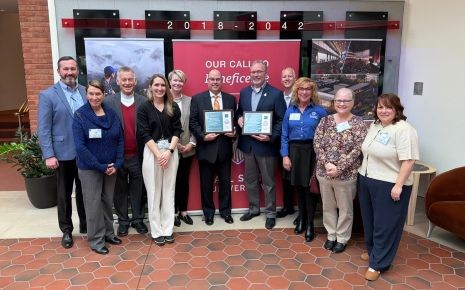
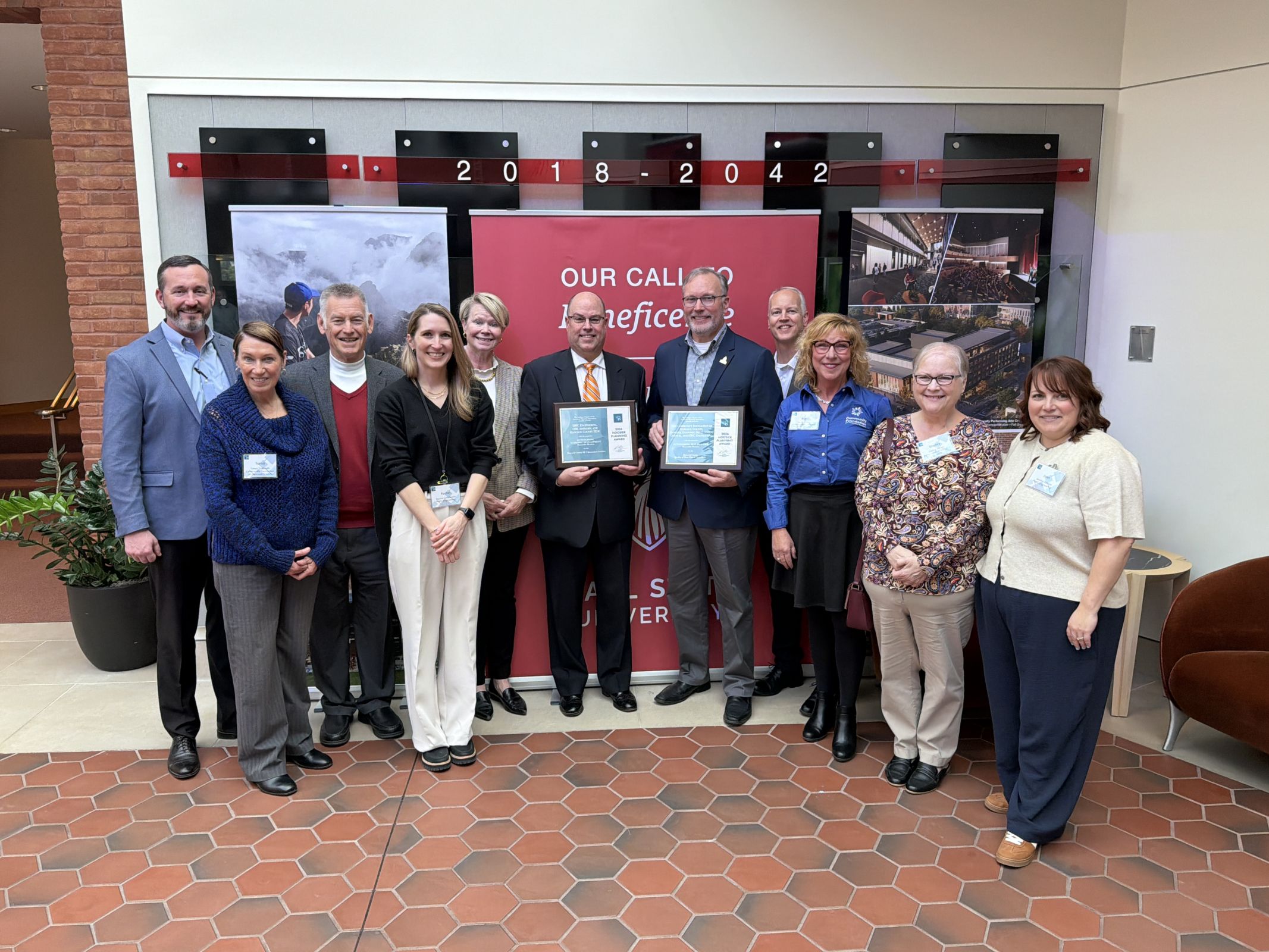
HEDC partnered with HWC Engineering and OBE Advisors on the SR 9 Innovation Corridor Plan and was honored to share the Honorable Mention for Economic Development with them at the 2026 American Planning Association Indiana Chapter Spring Conference at Ball State University on March 13th.
“The study provides a realistic and actionable playbook for guiding economic investment, positioning Hancock County as a leader in modern ag development and long-term rural economic resilience,” APA Indiana said.
Quantity and Quality
HEDC was also honored to partner and share recognition with the Community Foundation of Hancock County and HWC Engineering for the Honorable Mention for Best Practice presented to the Hancock County Quality of Place Plan and Community Foundation program Civic Circle.
“The plan supports the broader Future Hancock Comprehensive Plan by informing long-term investment in arts, history, recreation, and local destinations, reinforcing a shared Healthy Hancock vision,” APA Indiana said.
More Topics

Rural Strategies Group joins HEDC
Mar 30 2026