
5 Myths About Economic Development in Hancock County

25 Jun 2026
News
Economic development affects more than industrial parks and new buildings. It influences job growth, housing, infrastructure, workforce training, and long-term planning across Hancock County.
Many people only see a small part of what goes into economic development. Public discussions often highlight tax incentives or big projects, but the everyday work that drives growth gets less attention. This can lead to confusion about what economic development organizations really do and how they help the community.
The Hancock Economic Development Council (HEDC) partners with local governments, employers, educators, developers, and business owners to encourage economic growth in Hancock County. These activities include attracting investment, helping current employers, preparing sites for development, improving workforce access, and assisting communities with future planning.
In the last five years, Hancock County has gained over 18 million square feet of industrial development. Many companies invest here because they value the county’s access to Interstate 70, strong transportation links, available workforce, and closeness to Indianapolis.
Here are five common myths about economic development, along with the real story of what’s happening in Hancock County.
Myth 1: Economic Development Only Focuses on New Companies
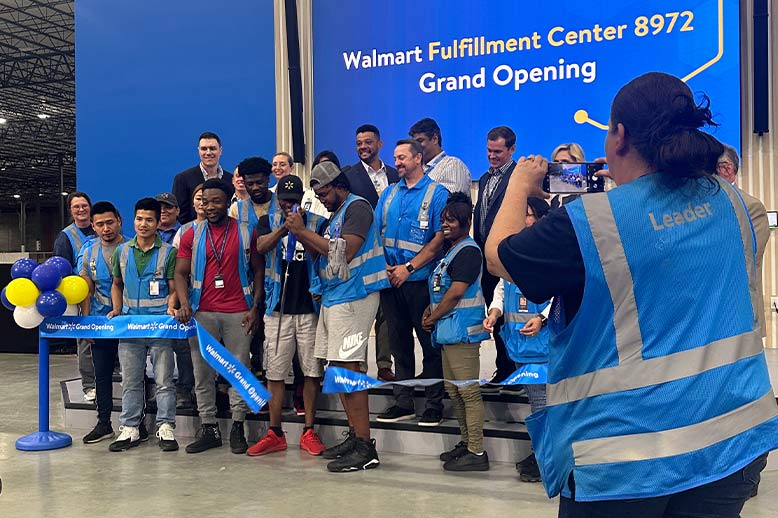
Big announcements usually get the most attention. New facilities, ribbon cuttings, and job numbers make headlines and spark public discussion. This focus can make it seem like economic development is only about bringing in outside companies.
But the reality is much broader.
A big part of HEDC’s work is helping companies that are already in Hancock County. These employers provide many local jobs and continue to invest in their facilities, equipment, and workforce.
HEDC works directly with businesses to solve problems before they slow down expansion plans. These conversations often cover topics like:
- Workforce needs
- Infrastructure coordination
- Utility access
- Site planning
- Permitting questions
- Expansion opportunities
The organization also connects businesses with state and regional programs that support investment and hiring.
Keeping and growing local businesses is a key part of economic development. Stable employers help provide long-term tax revenue, local spending, and job opportunities throughout the county.
Myth 2: Economic Development Only Helps Large Employers
Small businesses are a big part of Hancock County’s economy. They offer services, create jobs, fill commercial spaces, and support local investment. HEDC works with businesses of all sizes, including entrepreneurs and local owners.
Economic development groups often act as connectors. Business owners might need property details, workforce data, financing options, or help navigating local processes. HEDC helps them find the right contacts and programs.
Support may include:
- Demographic and labor market data
- Available sites and buildings
- Workforce development resources
- Incentive information
- Connections to regional partners
- Business education opportunities
Entrepreneurship also supports long-term economic stability. Having a mix of businesses helps communities adjust to market changes and gives residents more opportunities. Economic development isn’t just about big industrial projects. It also means helping smaller businesses grow and stay competitive.
Myth 3: Economic Development Starts and Ends With Buildings
Industrial buildings and ready-to-develop sites are still important, but companies now look at much more than just available land when choosing where to locate.
Employers also consider factors such as housing, transportation, workforce availability, broadband service, and the overall quality of the community when deciding where to invest.
Hancock County continues to attract interest thanks to several advantages. The county has direct access to Interstate 70, strong highway and rail connections, and is close to the Indianapolis Regional Airport. Businesses here can reach over 114 million people within a one-day truck drive.
Access to workers is important too. Companies looking at Hancock County can tap into a regional labor pool of over 2 million people across Central Indiana.
HEDC helps make sites ready so businesses can move projects forward more easily. This means working with local partners to find properties that are ready for development and to speed up the process.
Planning for economic development also means getting communities ready for future growth. Housing, infrastructure, utilities, and transportation all play a role in helping employers attract and keep workers. Companies want to be in communities that can support both their business needs and their employees.
Myth 4: Workforce Development Operates Separately From Economic Development
Almost every industry faces workforce challenges. Employers need to know they can find skilled workers before they decide to expand or move.
That’s why workforce development and economic development go hand in hand. HEDC teams up with employers, educators, workforce groups, and public agencies to support talent development in Hancock County. These efforts help businesses find workforce solutions and help residents connect with job opportunities.
Workforce support may include:
- Training partnerships
- Labor market information
- Employer outreach
- Career pathway discussions
- Education collaboration
- Workforce attraction strategies
Businesses looking at a community want to be sure they’ll have workers now and in the future. Workforce planning helps give them that confidence.
Economic development also helps long-term population growth by creating job opportunities close to home. Good employment options help communities keep residents and attract new families.
Myth 5: Economic Development Produces Immediate Results
Economic development projects often take several years to finish.
Preparing sites, improving infrastructure, planning for the workforce, getting permits, arranging financing, and building all require teamwork between public and private partners. Many projects start long before the public sees any activity.
Preparation is important because companies make location decisions quickly. Communities with ready-to-develop sites, utility access, and sound planning are better positioned to attract investment.
HEDC focuses on long-term economic growth, not just quick wins. This work includes:
- Business attraction
- Business retention and expansion
- Workforce development
- Site development
- Housing discussions
- Public-private partnerships
- Economic diversification
Consistency is important too. Businesses want reliable information, responsive local partners, and communities that are ready for growth.
Economic development takes ongoing coordination, planning, and communication across many areas. The results might not show up right away, but the work is happening every day.
Learn More About HEDC’s Role in Hancock County
The Hancock Economic Development Council supports economic growth by recruiting businesses, working with the workforce, developing sites, and building partnerships throughout Hancock County.
This work affects employers, residents, schools, infrastructure planning, and the community's long-term growth.
More Topics